Explore the Power of HEMI Engines: Performance Improvements and Benefits Explained
HEMI engines are celebrated for their unique design and performance potential. Car enthusiasts frequently look for methods to boost their power and efficiency with different modifications. Ranging from air intake adjustments to sophisticated tuning methods, many choices are available. Still, not all upgrades produce the same level of improvement. Understanding the most effective strategies and common pitfalls is essential for maximizing performance. What particular enhancements can authentically unleash the true power of these high-performance engines?
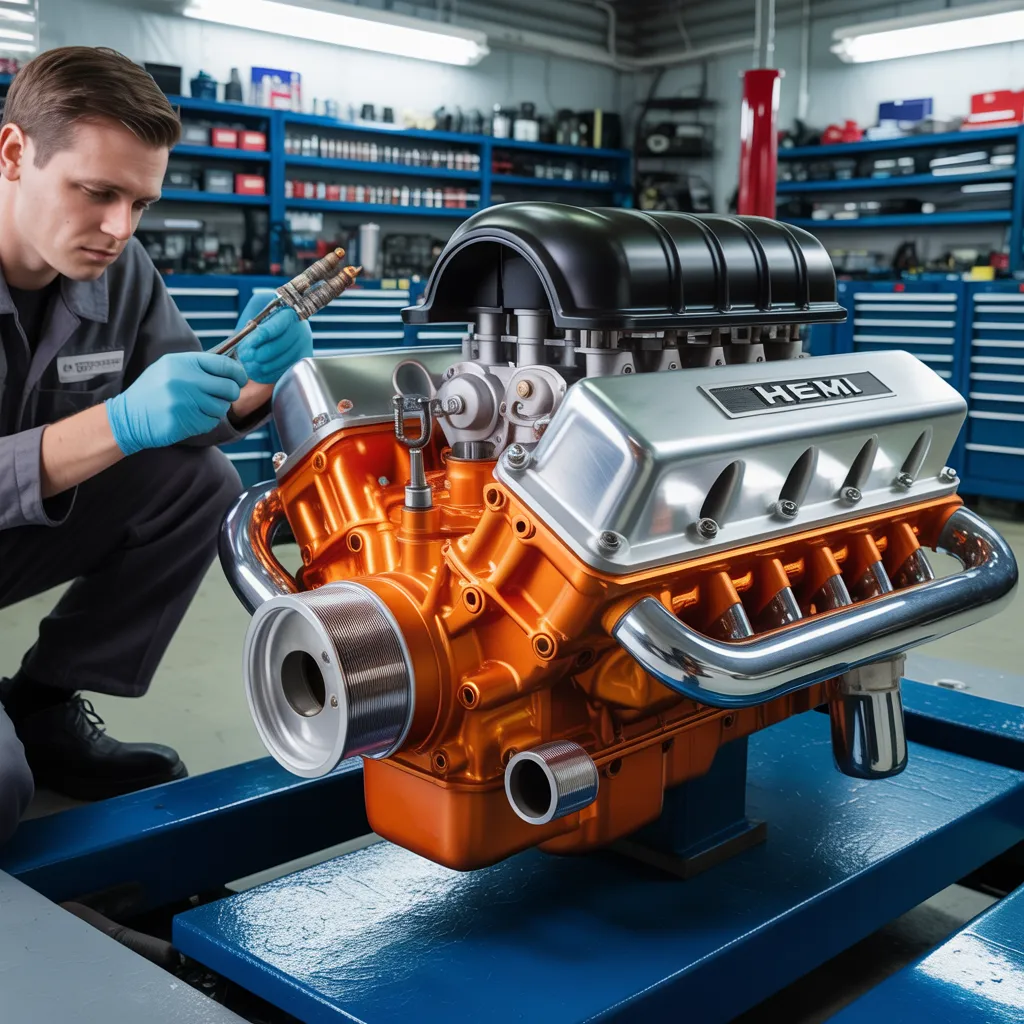
What Are HEMI Engines and Why Do They Stand Out?
HEMI motors, well known for their distinctive hemispherical combustion chambers, have become iconic in the world of automobiles. Their distinctive design enables efficient airflow, allowing for better fuel combustion and greater power output. The chamber's hemispherical design optimizes the angle at which the air and fuel mixture enters, boosting performance across a wide range of RPM ranges.
Such engines generally include a angled piston, which works in harmony with the hemispherical chamber, leading to a more efficient combustion process. This results in higher torque and horsepower compared to standard flat-head engine configurations. Furthermore, HEMI engines commonly feature a double overhead cam setup, greatly boosting power output and throttle response.
The integration of these technical components not only contributes to their robust performance but also provides a distinctive auditory experience, making them a favorite among vehicle enthusiasts. Their legacy continues to thrive, symbolizing power and innovation in the automotive industry.
Enhancing Horsepower Using HEMI Modifications
Improving horsepower in HEMI engines can be attained through multiple powerful modifications. Key enhancements include upgrading air intake systems, installing high-performance exhaust modifications, and examining different options for engine tuning. Each of these modifications is essential for enhancing overall engine efficiency and productivity.
Air Intake Components
When considering performance enhancements for HEMI engines, air intake systems are crucial for enhancing horsepower. Such systems are engineered to optimize airflow into the engine, enabling better combustion and increased power output. By upgrading factory air intakes to high-performance units, drivers can significantly minimize air restrictions, resulting in improved throttle response and acceleration. Aftermarket air intake systems often feature larger diameter pipes, high-flow air filters, and better cold air induction designs, which contribute to a more efficient engine operation. Moreover, they are capable of enriching engine sound, delivering a more aggressive tone on the road. Ultimately, replacing the stock air intake is a key step for drivers seeking to unlock the full performance potential of their HEMI engines.
Performance Exhaust Upgrades
Optimizing the exhaust system is an essential step for enhancing the performance of HEMI engines. A high-performance exhaust system supports improved airflow, minimizing back pressure and allowing the engine to run more smoothly. This improvement in function produces higher horsepower and torque. Components such as headers, cat-back systems, and performance mufflers can greatly alter exhaust flow dynamics. In addition, these enhancements can elevate the engine's sound, providing a more aggressive tone that many performance seekers enjoy. When combined with other modifications, such as upgraded air intake systems, the gains are significantly amplified. Ultimately, performance exhaust upgrades stand as an critical step for those looking to maximize the power of their HEMI engines.
Engine Optimization Options
Engine tuning techniques are essential in maximizing the full potential of HEMI engines. By fine-tuning the engine's fuel-air blend, ignition timing, and other parameters, drivers can significantly increase horsepower and torque. Widely used methods feature reprogramming the engine control unit (ECU) with custom tunes, allowing for enhanced fuel management and ignition control. Additionally, performance tuning specialists often provide customizable options that address specific driving styles, whether for daily use or track performance. Integrating performance upgrades, such as cold air intakes or high-flow fuel injectors, amplifies the effects of tuning. Overall, a proper tuning strategy not only elevates performance but also sharpens throttle sensitivity, making it a vital consideration for HEMI owners pursuing a more exhilarating drive.
Top Performance Upgrades for HEMI Engines
Numerous enthusiasts look to improve the performance of HEMI engines to release their full potential. Key upgrades include cold air intakes, which optimize airflow and elevate horsepower. Performance exhaust systems are also crucial, as they minimize backpressure and improve engine sound. Upgrading the camshaft can optimize valve timing for greater torque and horsepower, while high-performance fuel injectors guarantee a more efficient fuel delivery.
In addition, incorporating a top-tier throttle body delivers more rapid throttle response and better airflow. Engine calibration, using a tailored ECU remap, can enhance improvements from these enhancements by calibrating fuel maps and ignition timing. Finally, adding a large-capacity oil cooler can enhance engine lifespan by maintaining optimal temperatures during spirited driving. All of these modifications work together to transform a standard HEMI engine into a performance machine, providing enthusiasts with a thrilling driving experience.
How to Improve Your HEMI Fuel Efficiency
Although performance modifications frequently take center stage in HEMI engine conversations, fuel efficiency is equally important for enthusiasts looking to balance power and economy. A number of approaches can enhance fuel economy without compromising performance.
Regular maintenance is vital; maintaining the engine in optimal condition, including timely oil changes and air filter replacements, secures maximum efficiency. Moreover, utilizing premium fuel can improve combustion efficiency. Tyre pressure ought to be tracked and kept at proper levels, as properly inflated tires reduce rolling resistance.
Driving behavior also plays an important part; using smoother acceleration and deceleration can produce significant savings on fuel. Cutting down on excess weight and eliminating unneeded cargo can additionally improve fuel performance.
Lastly, utilizing the use of economical driving modes, when applicable, empowers drivers to optimize settings for enhanced mileage. By adopting these techniques, HEMI enthusiasts can experience enhanced fuel efficiency alongside their engine's impressive power.
How Exhaust Modifications Can Boost Your HEMI Performance
Enhancing the exhaust system can considerably elevate HEMI performance by improving exhaust flow dynamics. This not only delivers enhanced horsepower potential but also results in a more appealing engine sound quality. Such enhancements can transform the driving experience, making it both more dynamic and rewarding.
Superior Exhaust Flow Dynamics
Improved exhaust flow dynamics are fundamentally important in enhancing HEMI engine performance, as high-performance exhaust systems can greatly reduce backpressure. By incorporating performance-grade headers, increased diameter tubing, and free-flowing catalytic converters, the exhaust gases can leave the engine with greater ease. This reduction in backpressure enables faster exhaust gas removal, supporting enhanced air intake and improving combustion efficiency. As a result, HEMI engines gain notable horsepower and torque improvements, along with improved throttle sensitivity. Additionally, these enhancements can contribute to improved fuel efficiency, making them an attractive option for power-focused drivers. Overall, implementing exhaust flow improvements not only boosts performance but also maximizes the engine's potential, ensuring an enhanced and thrilling driving experience.
Enhanced Engine Sound Quality
When exhaust upgrades are implemented, they related content not only boost a HEMI engine's power output but also significantly enhance its sound quality. Upgrading the exhaust system allows for a more aggressive and refined exhaust note, delivering a fuller, more commanding sound that many enthusiasts find attractive. This improvement is realized through components such as performance mufflers and high-flow catalytic converters, which minimize back pressure and improve the overall acoustic experience. The sound generated by a modified exhaust system contributes to the vehicle's identity, allowing it to be noticed on the road. Furthermore, a well-tuned exhaust can inspire feelings of power and performance, heightening the driving experience for HEMI owners while capturing the admiration of fellow automotive enthusiasts.
Greater Horsepower Potential
Exhaust modifications unlock significant horsepower potential in HEMI engines, elevating their overall capabilities. By improving exhaust flow, these enhancements minimize back pressure, allowing the engine to breathe more freely. Performance headers and cat-back exhaust setups enhance the expulsion of exhaust gases, which leads to greater engine efficiency. This improved flow not only leads to greater horsepower but also enhances throttle response, creating acceleration that is more instant and dynamic. Additionally, lighter materials can decrease overall vehicle mass, consequently improving overall performance. When integrated with complementary enhancements, such as cold air intake modifications, the horsepower gains can be even more pronounced. Ultimately, exhaust upgrades offer HEMI owners a direct and proven approach to unlock superior power and performance from their engines.
Advanced Performance Tuning for HEMI Engines
Releasing the complete power of HEMI engines demands a thorough understanding of sophisticated tuning approaches. These practices include recalibrating engine control units (ECUs) to enhance fuel maps and ignition timing, which significantly boosts performance. Personalized tuning allows enthusiasts to adjust settings based on individual upgrades, such as performance intakes or exhaust systems.
Moreover, employing engine performance chips can provide immediate increases in torque and horsepower by modifying engine parameters for superior fuel economy and power output. Data logging devices are indispensable for analyzing overall engine performance in real time, enabling adjustments that calibrate air-fuel ratios and boost levels.
Moreover, sophisticated tuning may include refining valve timing and camshaft profiles, optimizing engine breathing for top-level performance. By utilizing these methods, owners of HEMI engines can realize significant advances in drivability and overall performance, transforming their machines into powerful high-performance vehicles that reflect their personal driving preferences and unique vehicle specifications.
Common Mistakes to Avoid When Upgrading Your HEMI
What mistakes should HEMI enthusiasts watch out for throughout their upgrade process? One common mistake is neglecting to research compatibility when selecting parts. Many enthusiasts purchase components without verifying their fit for specific HEMI models, leading to performance issues or costly returns.
One other frequent oversight is overlooking the necessity of tuning after upgrades. Modifications and upgrades typically demand recalibration of the engine's computer to enhance performance, and overlooking this process can produce underwhelming results.
Furthermore, some tend to overlook the value of professional setup. Do-it-yourself modifications can lead to costly errors, especially with sophisticated mechanisms.
Additionally, hobbyists sometimes choose aesthetics over functionality, investing in showy upgrades that offer no benefit to engine capability. By avoiding these pitfalls, HEMI owners can ensure a smoother modification journey and reach the desired upgrades effectively.
Common Questions and Answers
Which Vehicles Typically Feature HEMI Engines?
HEMI engines can frequently be found in a variety of Dodge and Chrysler vehicles, among them the Charger, Challenger, Ram trucks, and Jeep Grand Cherokee. These engines are well known for their power and performance capabilities across multiple models.
How Does a HEMI Engine Measure Up to a V8?
A HEMI engine typically offers greater power and torque output in contrast to a standard V8, owing to its specialized hemispherical combustion chamber design. This design enhances efficiency and performance, making HEMIs a favorite with automotive performance enthusiasts.
Are HEMI Engines Reliable for Daily Driving?
HEMI engines are widely regarded as dependable for everyday use, offering a balance of performance and durability. Numerous owners note impressive durability and fuel management, making them a viable choice for regular use in various driving conditions.
What Are the Origins of HEMI Engines?
HEMI engines first emerged in the 1950s, utilizing a hemispherical combustion chamber design that boosted both efficiency and power output. First gaining traction in motorsports, they earned widespread popularity in everyday vehicles, enhancing performance and solidifying their legendary status.
Can a HEMI Engine Be Installed in Any Vehicle?
Installing a HEMI engine in any vehicle is achievable, but calls for extensive changes. Integration with the vehicle's transmission, chassis, and electrical systems must be evaluated, as well as emissions standards and legal regulations in the jurisdiction.